
Table of Contents
Every water treatment plan eventually faces the same fork in the road: dose the water with chemicals to control hardness, scale, and microorganisms, or condition it physically so problem minerals stop causing damage in the first place. Both approaches are used worldwide, and both genuinely work — but a physical vs chemical water treatment comparison shows they differ enormously in ongoing cost, safety, and maintenance over a system’s working life. This guide breaks down how each one actually works, compares them criterion by criterion, and looks at where physical treatment (the ionic/magnetic technology behind NEW ARA) is already replacing chemical dosing across irrigation, industrial, and residential water systems in Algeria.
1. How Chemical Water Treatment Works
Chemical water treatment fixes hardness, scale, and biological contamination by adding a substance to the water. The specific chemistry changes by application, but it falls into four broad categories:
- Ion-exchange softening: Salt-based softeners swap calcium and magnesium ions for sodium ions as water passes through a resin bed, removing hardness but adding dissolved sodium to every liter that leaves the system.
- Scale inhibitors (polyphosphates): Dosed in small, continuous quantities to keep dissolved minerals in suspension chemically, rather than removing them — effective only while the dosing pump keeps running.
- Acid descaling: Concentrated acid washes dissolve scale that has already formed on pipes, membranes, or emitters, restoring flow but attacking the metal, rubber seals, and membrane material it touches at the same time.
- Disinfectants (chlorine, bromine, ozone-generating chemicals): Oxidizers dosed to control bacteria and algae, essential for public drinking water and open pools, but requiring constant residual monitoring and pH correction to stay effective and safe.
2. The Hidden Costs of Chemical Treatment
Chemical treatment works, but the bill does not stop at the product itself. Across irrigation, industrial, and residential installations, the same recurring costs and risks show up:
Recurring Costs and Real Risks
Ongoing consumable purchases every season, acid and chlorine corroding pumps, valves, and membranes over time, sodium discharge from softeners building up in soil and groundwater, chemical storage and handling safety requirements, and constant pH monitoring and dosing labor. For private pools specifically, this also means chlorine odor, red eyes and dry skin after swimming, recurring algae blooms, and periodic shock treatments.
3. How Physical (Ionic/Magnetic) Water Treatment Works
Physical water treatment does not remove minerals or add anything to the water. Instead, it changes the physical form the dissolved calcium takes as the water passes through a permanent, high-intensity magnetic field — without electricity, salt, or any chemical consumable. This is the technology behind NEW ARA, the ionic accelerator manufactured by Vosges Italia and distributed in Algeria by SARL NEW-ARA.
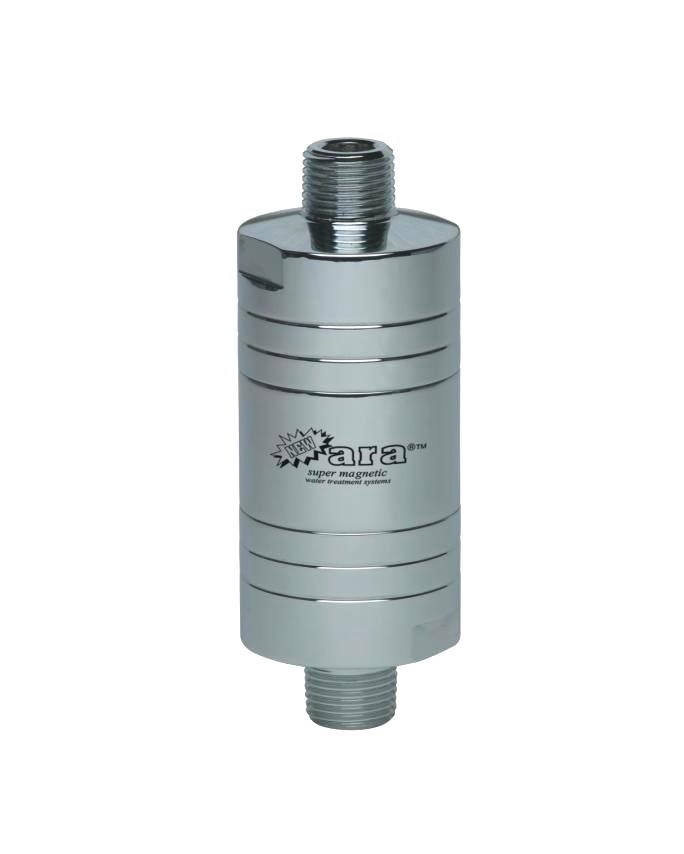
Figure 1: The NEW ARA ionic accelerator, installed inline on the water supply.
As hard water crosses NEW ARA’s 10,000 Gauss permanent magnetic field, dissolved calcium carbonate is transformed into aragonite — a crystalline form of calcium carbonate that stays suspended in the water instead of bonding to pipe walls, membranes, or equipment surfaces:
- Hard water enters the field. Water carrying dissolved calcium bicarbonate flows through NEW ARA at a minimum inlet pressure of 2 bar, exactly as it would through any other inline fitting.
- Calcium is transformed while still dissolved. The magnetic field converts calcite — the adherent, scale-forming crystal structure — into aragonite, a non-adherent structure, before any deposit can form.
- Aragonite stays suspended, not stuck. Instead of bonding to surfaces downstream, the transformed particles remain in suspension and pass harmlessly through the system, leaving pipes, membranes, and emitters clean.
Because nothing is added or removed, there is no chemical to reorder, no filter cartridge to replace, and no electrical connection to maintain — NEW ARA units are rated for 20+ years of maintenance-free operation.
4. Physical vs Chemical Water Treatment: Full Comparison
Both approaches address hard water, but the ongoing cost, safety, and maintenance profile of each is very different over a system’s working life:
| Criteria | Chemical Treatment | Physical Treatment (NEW ARA) |
|---|---|---|
| Installation | Ongoing equipment: brine tanks, dosing pumps, or chemical feeders | One-time inline fitting, no tank or pump required |
| Running cost | Recurring purchase of salt, acid, or chlorine, every season | Zero — no consumables to reorder |
| Electricity | Often required to run dosing pumps and controllers | None — passive permanent magnets |
| Maintenance | Regular refills, dosing checks, and pH correction | None — no wear parts, no filters to change |
| Effect on existing scale | Acid washes actively dissolve existing deposits | Prevents new scale; heavy legacy buildup may need an initial clean first |
| Effect on new scale formation | Prevented only while dosing continues | Prevented continuously, with no dosing to maintain |
| Effect on equipment | Acid and chlorine corrode pumps, valves, and membranes over time | No corrosive contact — extends membrane and pump lifespan |
| Effect on soil and crops | Sodium and acid runoff can affect soil microbiology | No chemical discharge into soil or irrigation water |
| Disinfection (bacteria, algae) | Yes — chlorine and similar oxidizers are proven disinfectants | Not a substitute for disinfection where one is required |
| Typical lifespan | Consumables replaced continuously; hardware every few years | 20+ years, per NEW ARA manufacturer specifications |
For most farms, industrial sites, and households, the physical route pays for itself within the first one to two years purely through avoided chemical purchases and reduced equipment replacement — the trade-off is that it is a prevention tool, not a disinfectant, which the next two sections cover in detail.
5. Where Chemical Treatment Still Makes Sense
Physical treatment is not a universal replacement, and an honest comparison has to say so plainly:
Chemical Treatment Still Wins Here
Certified public drinking-water disinfection, where a residual chlorine level is a legal compliance requirement, not an optional preference. Removing heavy legacy scale that has already built up inside old pipes or membranes, since an acid wash actively dissolves existing deposits — something a purely preventive physical treatment does not do on its own. In these cases, the two approaches are often combined: a one-time chemical or mechanical clean to reset the system, followed by physical treatment to keep it clean going forward.
6. Where Physical Water Treatment Wins
Wherever the actual goal is preventing scale rather than disinfecting water, physical treatment consistently outperforms chemical dosing on cost and upkeep:
Physical Treatment Wins Here
Drip and sprinkler irrigation networks, reverse osmosis and industrial membrane pre-treatment, livestock watering and saline groundwater, boilers and closed industrial water circuits, domestic hot water systems, and private pools and spas — anywhere the recurring problem is limescale, not pathogens, and where a facility wants to cut consumable costs and maintenance labor to zero.
7. Real-World Applications: From Irrigation to Private Pools
NEW ARA’s physical water treatment is already deployed across four very different water systems in Algeria, each with its own reason for choosing prevention over chemistry:
Agricultural Irrigation & Drip Systems
On farms running drip and micro-irrigation, calcite scale is the single most common cause of emitter clogging and reduced flow. NEW ARA installations have measured up to 80% less maintenance and a 25% improvement in fertilizer (intrant) efficacy, since unclogged emitters deliver water and nutrients evenly across every row. For the full technical breakdown of the clogging mechanism and the research behind it, see our guide on drip irrigation water treatment and calcite clogging prevention.
Reverse Osmosis & Industrial Membrane Protection
Reverse osmosis membranes are especially sensitive to scale: even a thin calcium layer reduces the active membrane surface, cuts permeate flow, and forces the feed pump to work harder. Installed upstream of the osmosis unit — after a pre-filter and before a check valve — NEW ARA keeps incoming water from depositing scale on the membrane, which manufacturer data associates with up to 3x membrane lifespan and more stable, predictable output for industrial plants running continuous production.
Saline Water for Farms & Livestock
In regions where groundwater is naturally saline, NEW ARA is paired with a controlled recirculation loop: water cycles through a reservoir connected to the ionic catalyst for a set duration, then rests before use in irrigation, livestock watering, or agri-food processing. This is presented honestly as a reduction in mineral impact and an improvement in water quality, not a substitute for desalination — farms report better crop calibre and yield, and improved water intake and growth performance in livestock, validated against untreated water side by side.
Private Pools & Spas
For private villas and hotels and spas, a compact NEW ARA module fits between the pump and the sand filter, working during every recirculation cycle to help keep bacteria, algae, and pH more stable. Owners report less chlorine odor and skin irritation and significantly less time spent on dosing and shock treatments — positioned as a way to reduce dependence on pool chemicals, though base filtration and occasional sanitizer use typically remain part of a complete pool maintenance routine.
8. Frequently Asked Questions
Does physical (magnetic/ionic) water treatment actually work, or is it a myth?
It works for what it is designed to do: preventing dissolved calcium from bonding to surfaces as scale, by converting it to a non-adherent crystal form (aragonite) as water passes through a permanent magnetic field. It is not a myth, but it is also not a disinfectant — it addresses hardness and scale, not bacteria or pathogens.
Can I switch directly from chemical to physical treatment, or do I need to descale first?
If a system already has heavy legacy limescale built up inside pipes, membranes, or emitters, a one-time mechanical or acid clean is usually recommended first. NEW ARA then prevents new scale from forming, so the system stays clean going forward without repeat chemical treatments.
Does NEW ARA remove existing limescale or only prevent new scale?
Its primary effect is prevention: transforming incoming calcium before it can deposit. Some gradual softening of older deposits has been observed over weeks as water continues to flow past them, but it is not marketed as an active descaling agent for heavy existing buildup.
Is physical water treatment safe for irrigation and crops?
Yes. Because no chemical, salt, or additive is introduced into the water, there is no risk of sodium or acid runoff affecting soil microbiology — a documented concern with softener and acid-based alternatives in agricultural settings.
Does physical treatment replace chlorine or disinfection for pools and drinking water?
No. Physical treatment addresses scale and mineral deposits, not microbiological safety. For pools it can meaningfully reduce how much chemical is needed and how often, and for drinking water it is used alongside — not instead of — whatever disinfection method is legally required.
How much does chemical water treatment cost compared to physical treatment over time?
Chemical treatment carries a lower upfront cost but a continuous recurring one: salt, acid, or chlorine purchased every season, plus wear on pumps and valves. Physical treatment is a single installation cost with no consumables and a 20+ year rated lifespan, which typically pays for itself within one to two years through avoided chemical purchases alone.
Contact us
Connect directly with SARL NEW-ARA, official distributor of Vosges Italia, to find out whether physical or chemical treatment fits your water system best.